
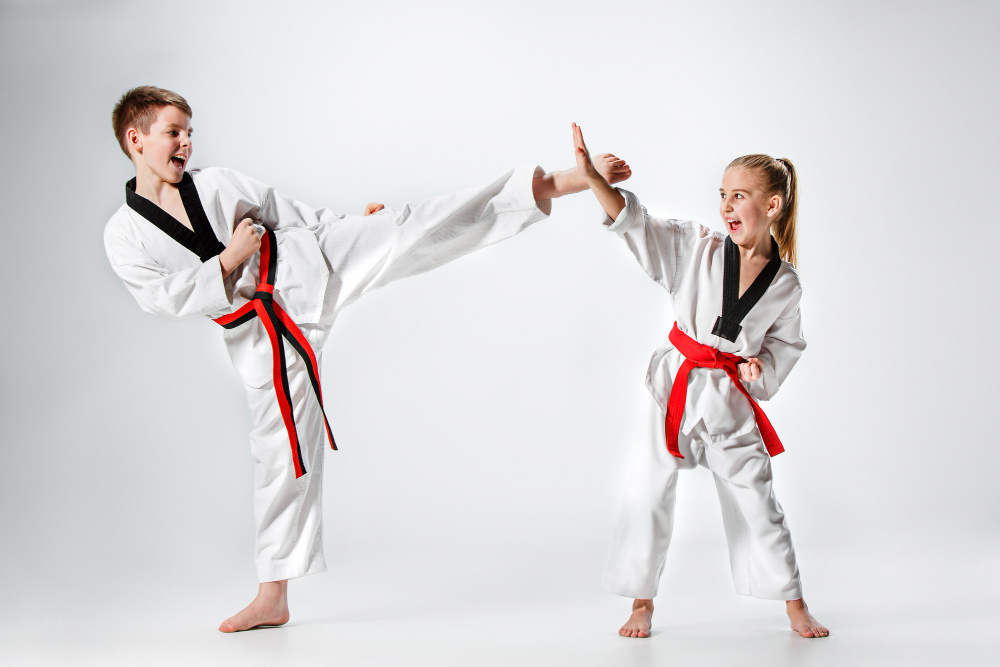
Taekwondo, the Korean martial art known for its powerful kicks and disciplined training, offers a path to improved fitness, self-defense skills, and personal growth. For beginners, stepping into a dojang (training hall) can feel both exciting and overwhelming. Understanding the structure, techniques, and mindset behind Taekwondo will help you get the most out of your training journey.
Understanding the Basics
Before diving into complex movements, beginners start with foundational stances, basic blocks, and simple kicks. These form the building blocks of Taekwondo and ensure proper balance, posture, and technique from the start.
Warm-Up and Stretching
Every Taekwondo session begins with a warm-up to prepare muscles and joints for high-intensity movements. Stretching is crucial for improving flexibility, which is essential for executing high kicks and maintaining agility.
Learning Patterns (Poomsae)
Poomsae are choreographed sequences of movements that simulate combat scenarios. Practicing these forms helps beginners develop precision, timing, and coordination while reinforcing the basic techniques learned in class.
Sparring and Self-Defense Drills
As students progress, controlled sparring is introduced to apply techniques in real-time situations. Beginners also learn self-defense applications, enhancing both confidence and practical skills.
Discipline and Etiquette
Taekwondo is as much about respect and self-control as it is about physical ability. Beginners are taught bowing etiquette, focus during practice, and the importance of perseverance in achieving goals.
Conclusion
Practicing Taekwondo as a beginner is a rewarding journey that blends physical training with mental discipline. By mastering the basics, maintaining proper warm-up routines, learning poomsae, and respecting the art’s traditions, you lay a strong foundation for future growth. With consistent effort and dedication, Taekwondo can become a lifelong practice that shapes both body and mind.